Shun
The Reason I JumpShun’s story turns sudden death into a choice about love and identity: after learning that he has died, he is offered a return to his parents as their child, but only if he loses every memory of being himself. His decision to go back is driven by the sight of his mother’s grief, and makes self-erasure the price of trying to ease it.
Identity and the Sudden Break
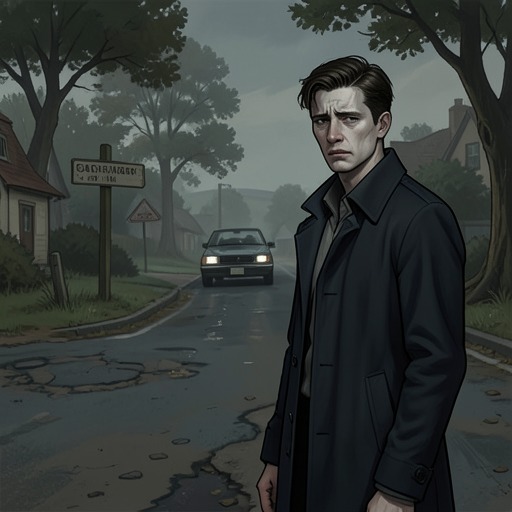
Before the accident, Shun thinks he knows himself well. That confidence breaks when he leaves a local supermarket and notices people staring at him with an icy, chilling look. An old man in a red hat, white T-shirt, and black shorts approaches him despite the winter cold and asks what he is doing there. Shun has never met him; wary of strangers, he hurries home. The inexplicable attention follows him into the familiar world of his house, where his mother stands with an apron on and a pan in her hand, yet seems to look at him with the same chilling stare.
The old man eventually explains what Shun has not understood: on his way to the supermarket, a car ran a red light and hit him. The memory returns in fragments. Shun recalls intending to dodge the car, freezing and being unable to move, then being struck; afterward, he had come round outside the supermarket without realizing that he was dead. The recognition changes the scene from a disorienting encounter with strangers into a confrontation with his own death. Shun begins to cry and cannot accept that he is gone.
Death and the Offer of Return
In Heaven, Shun hears that his parents will be able to see him again when their own lives end. The assurance does not comfort him: he cannot imagine being happy there while his parents endure the pain of his death. His distress makes the afterlife less an escape from loss than a place from which he can witness it.
God then offers an unexpected possibility: Shun can be born again to his parents as their child. Shun responds with immediate, joyful excitement and wants to return to them at once. But the offer has a decisive condition. Once reborn, he will no longer be Shun in the sense he knows himself: all his memories of being Shun will cease to exist. The prospect makes the choice more than a journey home; it asks him to give up the continuity of his own identity.
His Mother’s Grief and His Decision
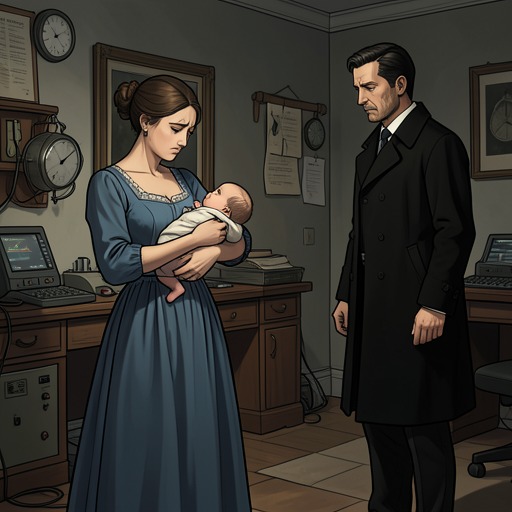
The cost of remaining in Heaven becomes personal when Shun sees his mother in delirium, calling his name and longing to see him. She cannot hear him, and his inability to reach her intensifies his anguish. He recognizes that her grief has taken away her spirit and will to live, and concludes that he must do what he can to help her. The possibility of seeing her again in Heaven no longer seems enough: she is not, in that moment, the same mother he remembers loving, because loss has overwhelmed her.
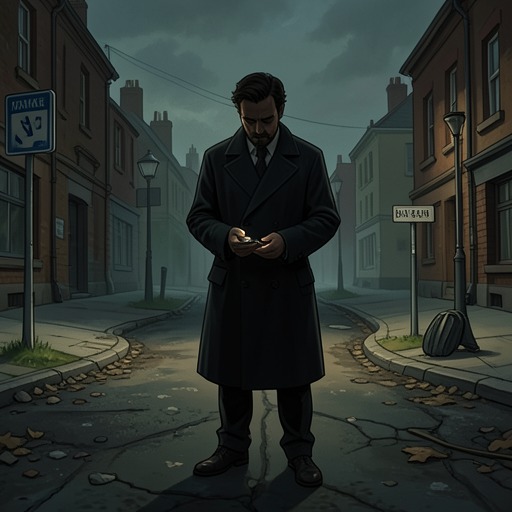
Shun makes up his mind and calmly asks God to return him to his mother. The calmness of the request contrasts with the pain that brings him to it. He chooses his mother’s chance of recovery over retaining the memories and selfhood he has been warned he will lose. The story leaves that choice as an act of care whose consequence is built into its promise: if Shun returns, he will not remember making the choice.
Narrative Significance
Shun’s arc links the confusion surrounding his death to a more difficult question of what it means to remain connected to someone. At first, his familiar surroundings offer no reassurance: his mother is physically present, but he cannot reach her, and even his own memories of the accident arrive only after the old man explains what happened. Later, the barrier is no longer simply that he is dead. It is that he can witness his mother’s suffering but cannot speak to her.
The proposed rebirth makes love inseparable from loss. Shun is not promised that he can return unchanged; the condition explicitly removes the memories by which he recognizes himself. His choice therefore does not resolve grief through reunion between the same people. Instead, he accepts the possibility of beginning again as his parents’ child, even though the Shun who chooses it will not retain that choice as a memory. The story’s central significance lies in that tension between the self he would surrender and the care that compels him to return.